
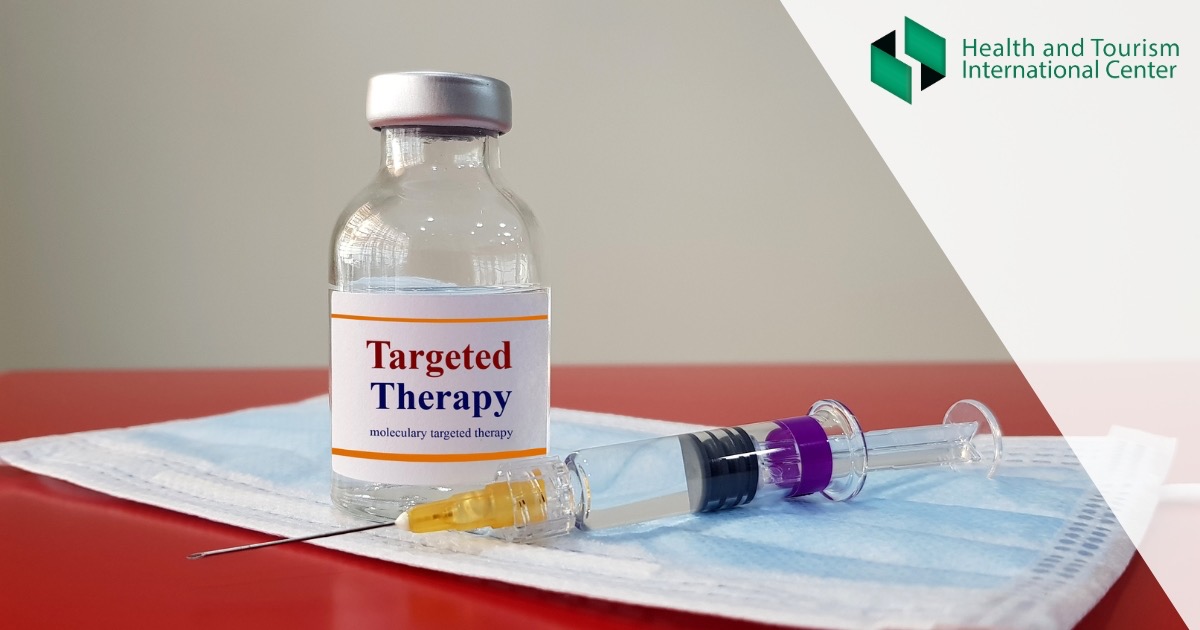
What is targeted therapy?
Targeted therapy is a cancer treatment method that targets the genetic changes or mutations that cause healthy cells to become cancerous.
With the help of targeted therapy, the oncologist does not harm healthy cells when managing cancer.
Typically, oncologists use these treatment methods for breast, lung, and prostate cancer.
It may also be prescribed for cancers of the following systems and organs:
• Blood;
• Bone and soft tissue;
• Digestive system;
• Female reproductive system;
• Head and neck;
• Skin;
• Thyroid;
• Urinary system.
More than 100 types of targeted therapy drugs have been developed in oncology:
• The patient can swallow the drug;
• An oncologist injects the drug through a needle;
• Or the drug is delivered to the targeted area through intravenous therapy.
The course of treatment is individual, for example, treatment may continue daily, for weeks, or for months.
During targeted therapy, the oncologist goes through the following steps:
• First, the genetic mutation that turned a healthy cell into cancer is investigated;
• The oncologist decides which part of the cancer cell to remove as the target of targeted therapy;
• The drug may destroy the cell or block the cell's ability to multiply abnormally.
