
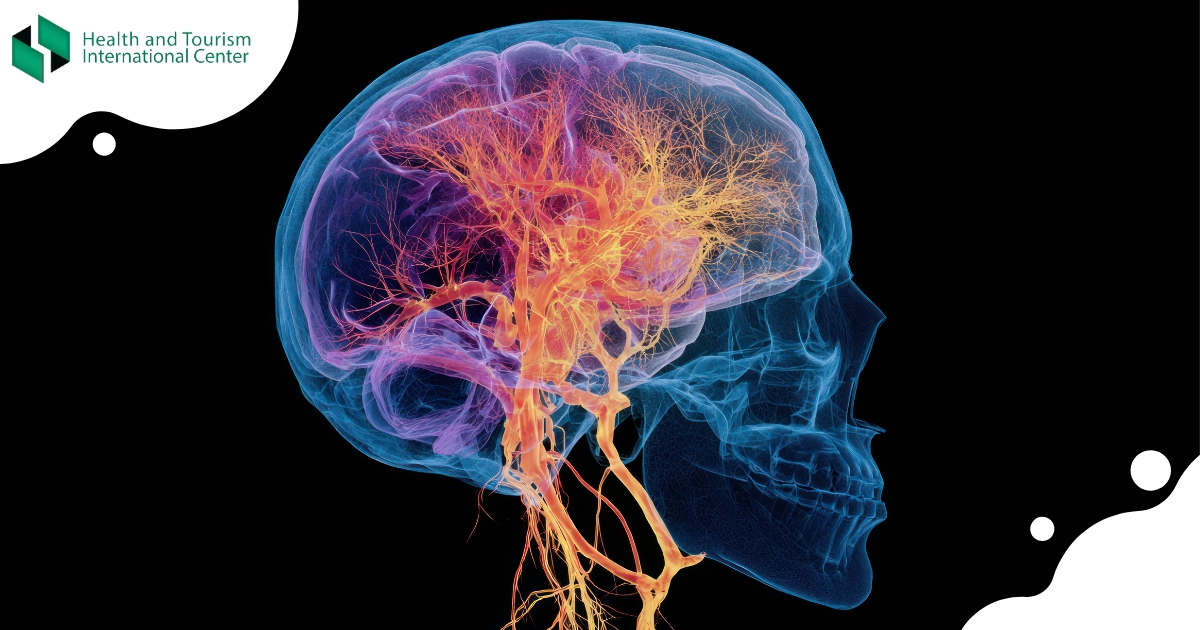
What is cerebral vascular occlusion?
A blood vessel occlusion can have serious and life-threatening consequences, especially if this process occurs in the blood vessels of the brain and heart.
Timely and adequate treatment is necessary, because otherwise the risk of stroke and other serious diseases increases. It is necessary for the patient to contact the clinic in case of any unusual symptoms - every minute is important in the management of cerebrovascular occlusion.
Some patients do not show symptoms characteristic of cerebrovascular occlusion - sometimes it progresses so severely that it causes serious complications and even death.
Cerebrovascular occlusion is characterized by:
- Headache;
- Nausea and vomiting;
- Speech disorders;
- Visual problems;
- Epileptic seizures;
- Memory loss;
- Psychological changes;
- The patient's behavior, thinking and reaction ability are pathologically changed;
- The patient loses strength in the limbs.
Factors contributing to cerebrovascular occlusion are:
- Disease of the brain and blood vessels of the brain;
- Arteriosclerosis of the brain;
- Infection, trauma, tumor;
- Fibromuscular dysplasia;
- Systemic diseases;
- Genetic disorders;
- Heart disease;
- Hematological disease;
- Tobacco;
- Radiation exposure;
- Complications of rheumatological diseases.
Source:
https://npistanbul.com/en/what-is-brain-vascular-occlusion
