
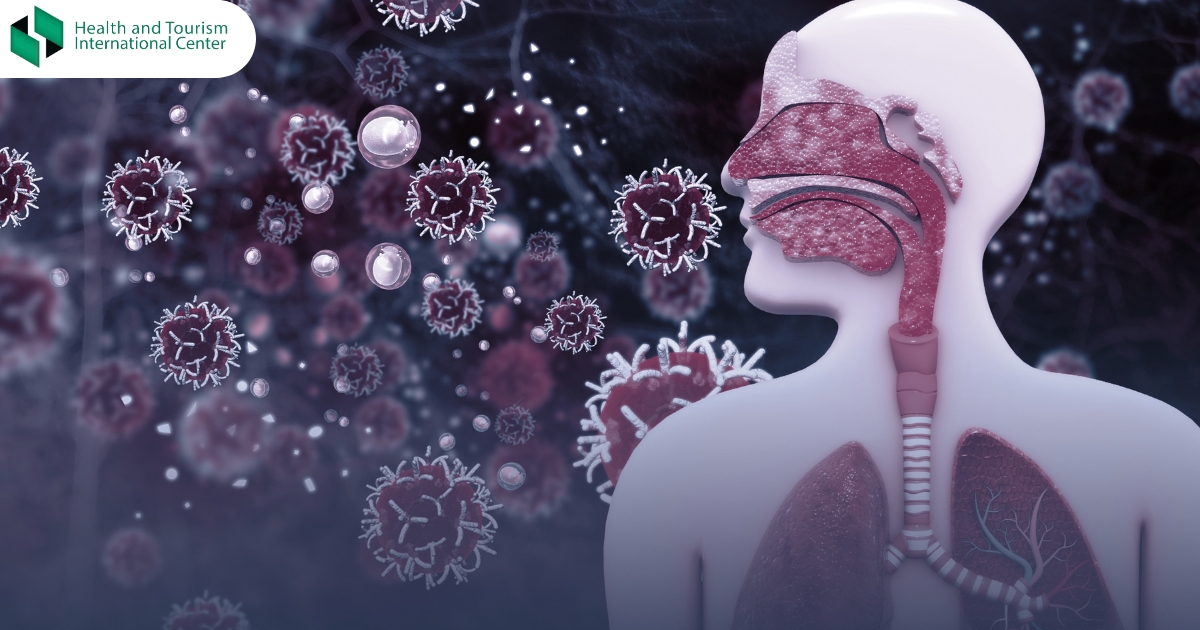
What is a systemic infection?
Systemic infection occurs due to various types of infectious agents, namely bacteria, fungi, viruses and parasites.
The causative agent of the infection enters the body through the skin, mouth, during sexual contact or through the respiratory tract, transplacentally.
To determine the etiology of a systemic infection, it is necessary to clinically diagnose how the bacteria entered. Systemic infection means that the disease affects the entire body, the entire system.
The most common systemic diseases are:
- Epilepsy;
- Lupus;
- Diabetes;
- Chronic fatigue syndrome;
- Multiple sclerosis;
- Fibromyalgia;
- Cancer;
- Cystic fibrosis;
- Heart disease;
- Stroke;
- Asthma;
- Crohn's disease;
- Muscular dystrophy;
- Sickle cell anemia;
- Human immunodeficiency virus.
Timely diagnosis and treatment are essential, as the systemic inflammatory process inevitably causes organ damage - if left untreated, the risk of life-threatening complications increases significantly.
Source:
https://onlinelibrary.wiley.com/doi/10.1002/9781683670438.cmm0007
