
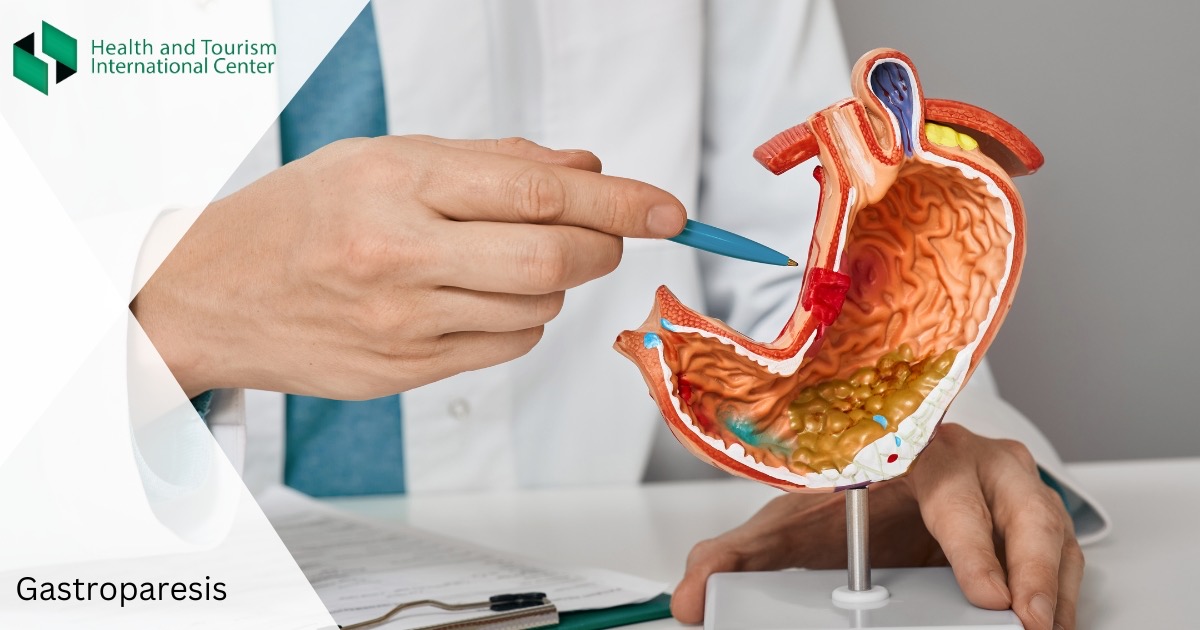
What is gastroparesis?
Gastroparesis is a paralysis of the stomach. The functional disorder affects the nerves and muscles of the stomach.
With this diagnosis, the ability of the stomach muscles to contract is weakened and slowed down, therefore, the physiological process of properly digesting food and sending it to the intestines is disrupted. Against the background of a chain reaction, food remains in the stomach for a long time. The digestion process itself is disrupted, because the stomach is no longer able to process and empty food.
Typical symptoms are:
In a large percentage of clinical cases, gastroparesis is not life-threatening, although in the acute course the risk of serious complications increases, for example, dehydration, electrolyte imbalance, fluctuations in blood sugar levels, nutritional deficiencies are expected.
Gastroparesis can be both mild and severe, therefore, it is quite possible that the patient's quality of life will significantly decrease.
Several methods have been developed to manage the disease. Scientists are trying to find new and more effective treatment measures - scientific research on this topic is still ongoing.
https://my.clevelandclinic.org/health/diseases/15522-gastroparesis
