
What does this diagnosis mean?
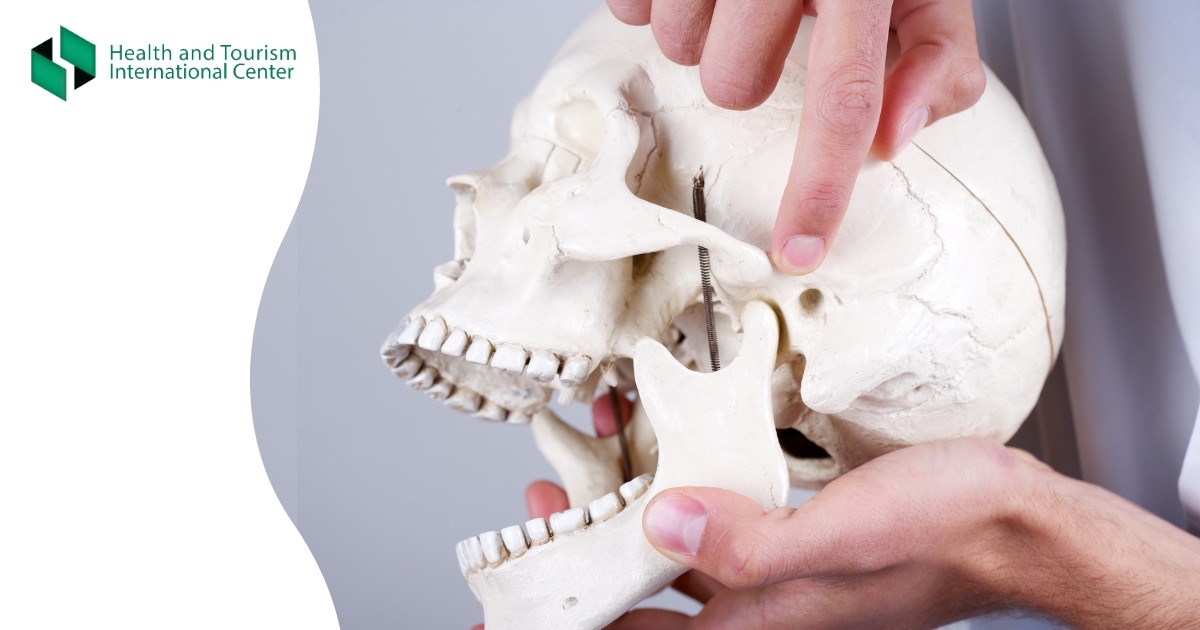
Temporomandibular joint disorders mean that the joints that help move the jaw are damaged.
The patient may complain of pain, discomfort when chewing. It is a common diagnosis - it usually affects people between the ages of 20 and 40.
The following symptoms are characteristic of temporomandibular joint disorders:
• Jaw or facial pain;
• Headache;
• Jaw stiffness or locking;
• The patient has difficulty opening or closing his mouth;
• Ear pain;
• Ringing sound in the ear;
• Toothache;
• Neck or shoulder pain.
Causes include:
• Trauma to the jaw;
• Teeth grinding;
• Arthritis of the jaw;
• Stress, which causes jaw tension.
Temporomandibular joint conditions can be aggravated by habits such as:
• Biting your nails, chewing on pens or ice;
• Poor posture;
• Chewing large pieces of food while eating;
• Sleeping on your stomach.
https://my.clevelandclinic.org/health/diseases/15066-temporomandibular-disorders-tmd-overview
