
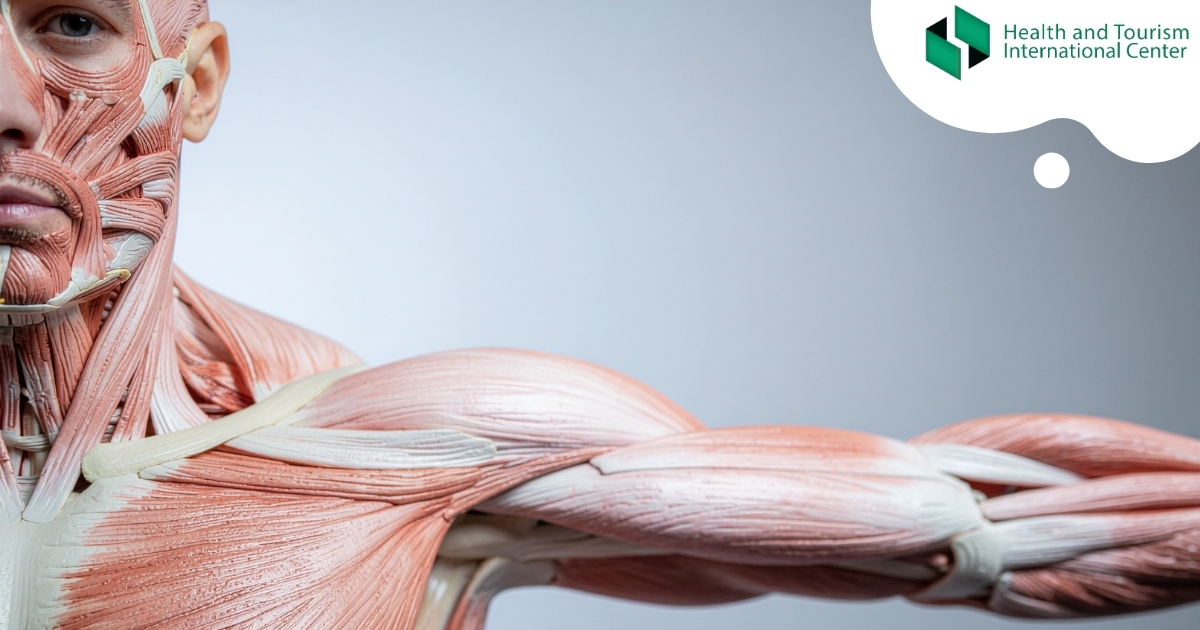
This type of muscle soreness really lives up to the name doctors gave it.
If you don’t feel any discomfort during exercise and everything seems fine, but you start to feel uncomfortable a day or two after your workout, you likely have delayed-onset muscle soreness.
You have acute muscle soreness if you feel pain during or shortly after your workout.
Symptoms of delayed-onset muscle soreness appear within 12-24 hours of exercise, and the discomfort peaks within one to three days.
The following symptoms are common:
- Pain when the muscle is touched;
- Pain when the muscle is stretched;
- Limited range of motion due to stiffness and pain;
- Swelling in the affected muscle;
- Muscle fatigue;
- The patient loses strength in the muscle for a short time.
The main cause is high-intensity exercise. No one is immune to delayed-onset muscle soreness - the condition can occur in both athletes and regular exercisers.
This condition rarely requires specific medical intervention, but you should definitely consult a doctor if:
- Muscle pain lasts more than 7 days;
- Urine has become unusually dark;
- You notice severe swelling in your extremities.
ფეისბუქის სათაური:
This type of muscle soreness really lives up to the name doctors gave it.
Source:
https://www.healthline.com/health/doms#causes
If you don’t feel any discomfort during exercise and everything seems fine, but you start to feel uncomfortable a day or two after your workout, you likely have delayed-onset muscle soreness.
You have acute muscle soreness if you feel pain during or shortly after your workout.
Symptoms of delayed-onset muscle soreness appear within 12-24 hours of exercise, and the discomfort peaks within one to three days.
The following symptoms are common:
- Pain when the muscle is touched;
- Pain when the muscle is stretched;
- Limited range of motion due to stiffness and pain;
- Swelling in the affected muscle;
- Muscle fatigue;
- The patient loses strength in the muscle for a short time.
The main cause is high-intensity exercise. No one is immune to delayed-onset muscle soreness - the condition can occur in both athletes and regular exercisers.
This condition rarely requires specific medical intervention, but you should definitely consult a doctor if:
- Muscle pain lasts more than 7 days;
- Urine has become unusually dark;
- You notice severe swelling in your extremities.
Source:
https://www.healthline.com/health/doms#causes
