
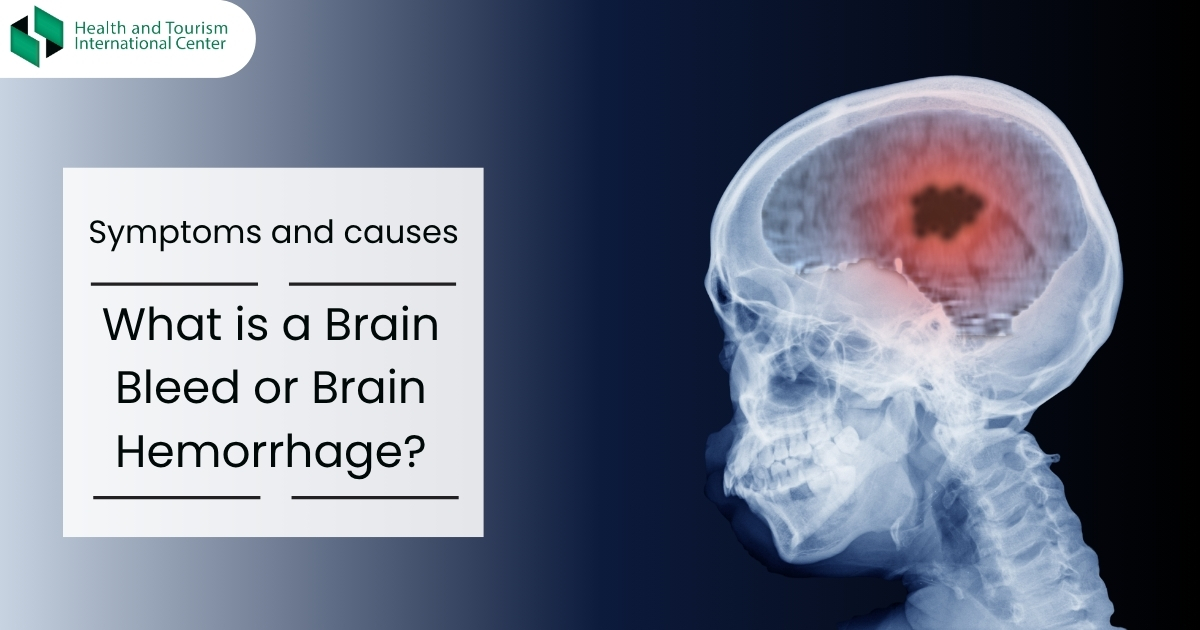
What is a brain hemorrhage?
A brain hemorrhage, also known as a brain hemorrhage, is a life-threatening condition that requires immediate medical attention.
This diagnosis means that there is bleeding between the brain tissue and the skull or directly into the brain tissue.
The symptoms of an intracranial hemorrhage vary and depend on which area of the brain is damaged. However, the most common symptoms include:
- Weakness, numbness, tingling, and facial paralysis;
- Sudden and severe headache;
- Nausea and vomiting;
- Confusion;
- Dizziness and a feeling of fainting;
- Seizures;
- Difficulty swallowing;
- Increased sensitivity to light;
- Vision loss;
- Difficulty maintaining balance and coordination;
- Stiff neck;
- Slurred speech;
- Drowsiness;
- Abnormal heartbeat and respiratory failure;
- Coma.
A brain hemorrhage occurs suddenly, although certain factors contribute to this diagnosis. The most common causes are:
- Head trauma;
- High blood pressure;
- Aneurysm;
- Blood vessel pathologies;
- Amyloid angiopathy;
- Blood diseases or bleeding pathologies;
- Liver disease;
- Brain tumor.
Source:
