
If you are diagnosed with gastroparesis.
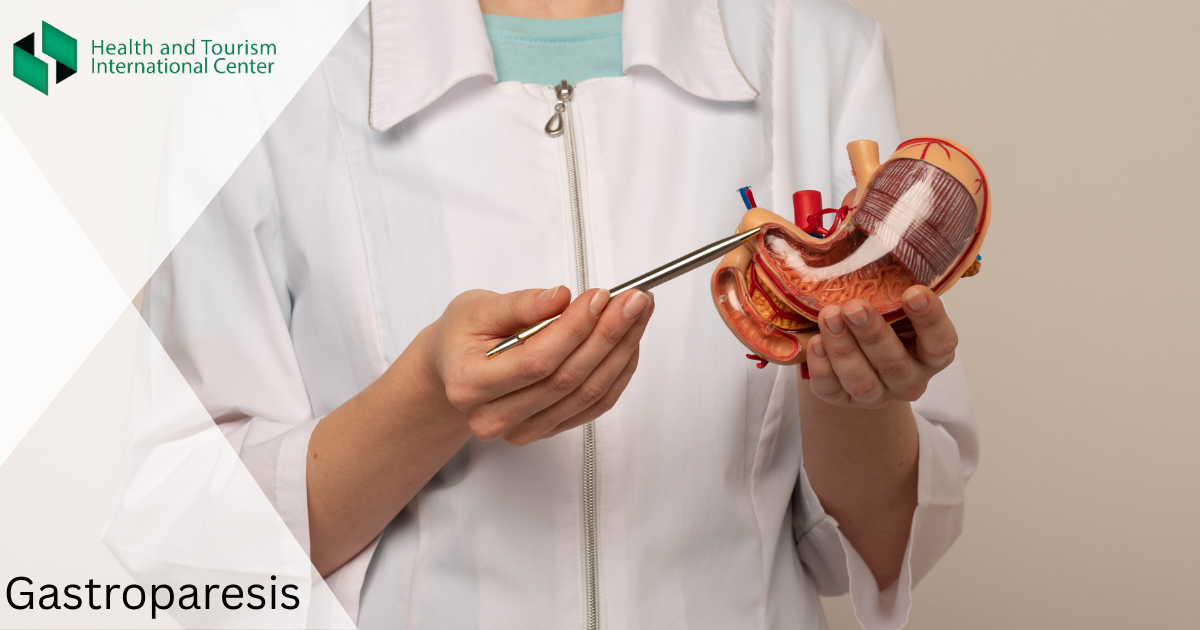
Gastroparesis is a condition in which the spontaneous movement of the stomach muscles is disrupted. In gastroparesis, the physiological process of food digestion is disrupted and the stomach cannot empty properly.
Many patients do not complain of specific symptoms. However, in the symptomatic course, the following signs are characteristic of gastroparesis:
- Nausea;
- Vomiting;
- Abdominal bloating;
- Abdominal pain;
- You easily throw up even small portions and do not feel hungry for a long time;
- You vomit undigested food after a few hours;
- Acid reflux;
- Changes in blood sugar levels;
- You do not feel like eating;
- Weight loss;
- The body suffers from a deficiency of nutrients.
The following are provided for diagnosis:
- Scintigraphy;
- Breath test;
- Upper gastrointestinal endoscopy;
- Ultrasound.
In a large percentage of clinical cases, drug therapy is effective.
During the course of treatment for gastroparesis, it is necessary to provide the body with calories and nutrients against the background of improving symptoms. The diet is determined by an endocrinologist or dietitian individually based on the patient's history and general health status.
In acute clinical cases, some patients are temporarily placed in a feeding tube to receive fluids or food.
Source:
https://www.mayoclinic.org/diseases-conditions/gastroparesis/diagnosis-treatment/drc-20355792
