
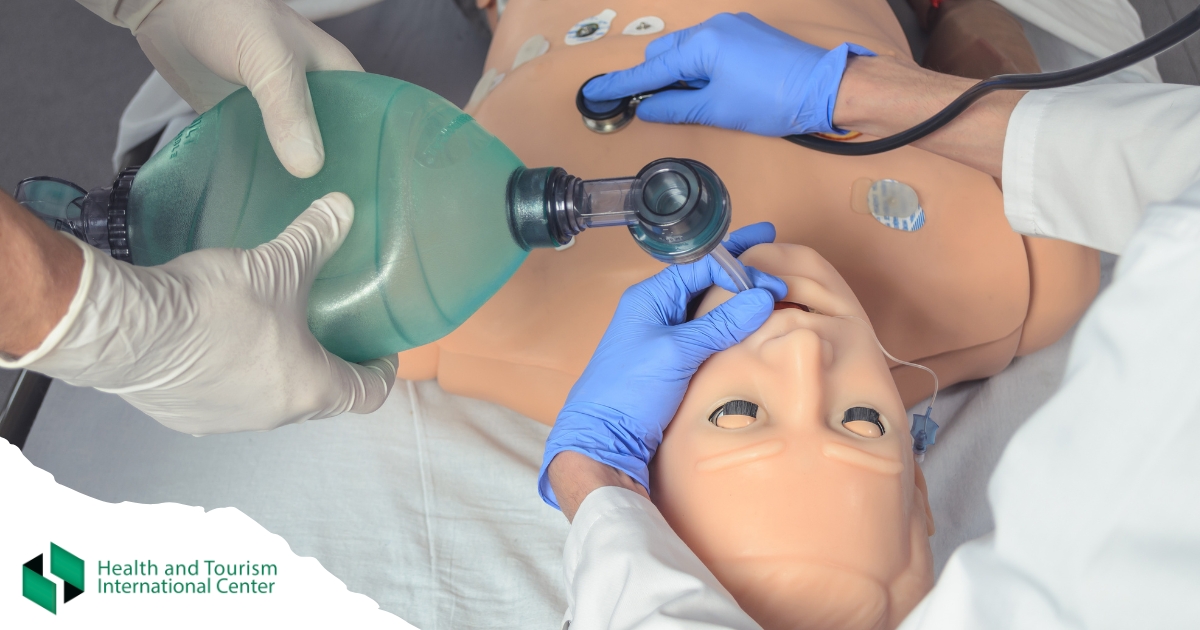
What is intubation?
Intubation is a medical procedure in which a doctor inserts an endotracheal tube into the mouth or nose - the main goal is to improve the patient's breathing.
It is mainly used during anesthesia (surgery) and to manage the airway, treating more critical patients. In emergency clinical cases and in some diseases, intubation is a form of life-saving.
Orotracheal intubation is used for the following purposes:
- To open the airway to supply oxygen, during anesthesia, and for the administration of medication;
- To assist breathing in patients with pulmonary collapse, heart failure, coronavirus, acute trauma, pneumonia, or emphysema;
- In stroke, overdose, or severe bleeding, orotracheal intubation protects the lungs from fluid buildup.
The purpose of nasotracheal intubation is to:
- Protect the airway from further damage in trauma patients;
- For anesthesia during surgery.
After intubation, some patients complain of mild symptoms, such as sore throat and hoarseness. Some people do not feel anything and have no idea that they have been intubated.
Intubation cannot be performed in the following clinical situations:
- Neck and spine injuries;
- Throat blockage;
- Trauma to the face or head.
Source:
https://www.verywellhealth.com/what-is-intubation-and-why-is-it-done-3157102
