
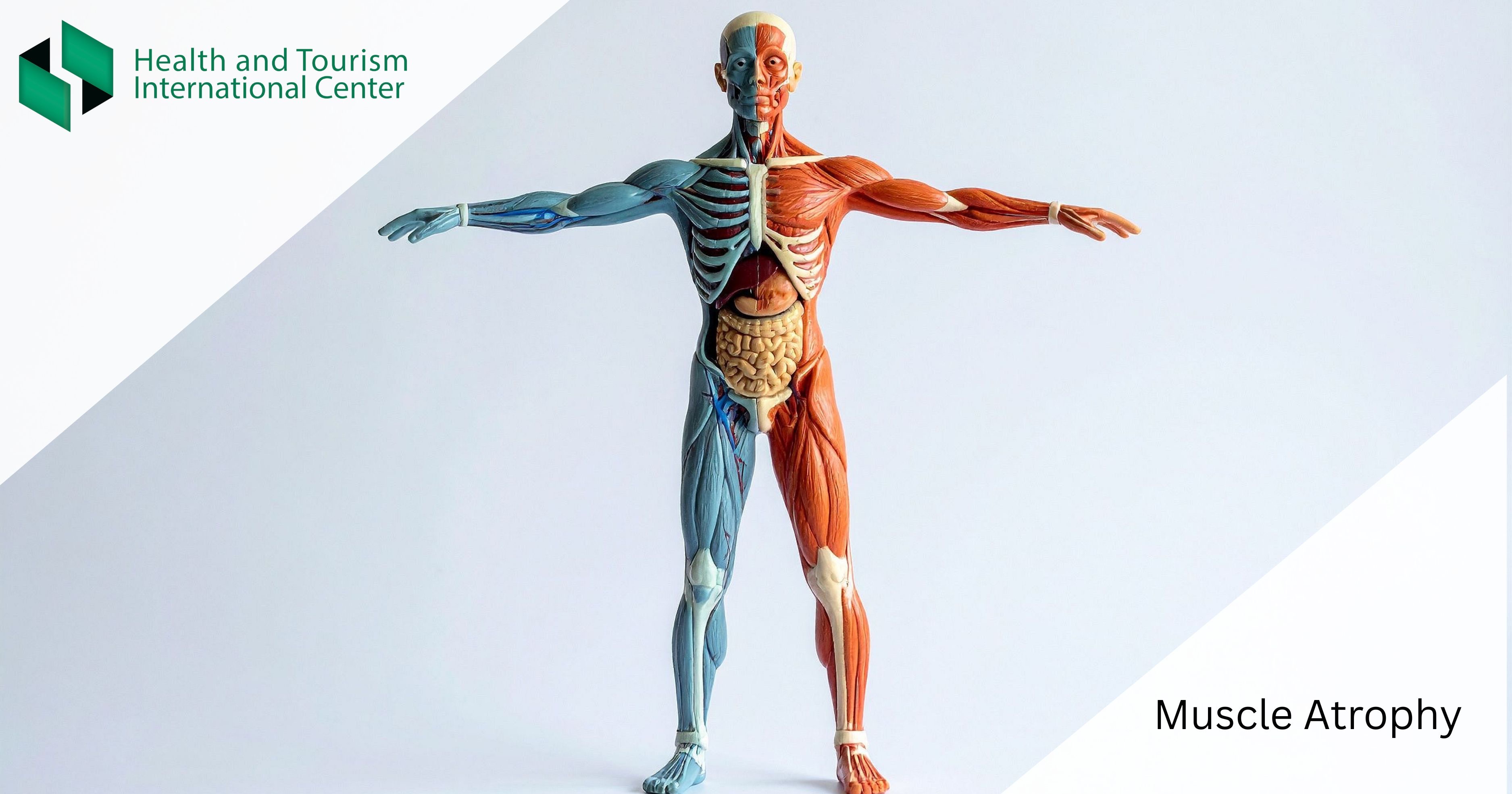
What is muscle atrophy?
Muscle atrophy is the wasting, wasting away, or loss of muscle mass. It is usually caused by a neurogenic condition or by disuse of the muscle. Exercise and a healthy diet are recommended to relieve symptoms.
The first and most characteristic sign of muscle atrophy is a decrease in muscle mass, although other symptoms may also be expected, including:
If the muscles are atrophied in the face or throat, you will notice a weakening of the facial muscles.
Physiological atrophy
Physiological atrophy occurs when you don't use your muscles - because of this, the body begins to break down the muscle, therefore, the mass decreases in size and loses strength/density.
Causes of physiological atrophy include:
Neurogenic atrophy
Neurogenic atrophy is caused by trauma that damages the nerves that connect the muscles.
The following conditions cause nerve damage:
Source:
https://my.clevelandclinic.org/health/diseases/22310-muscle-atrophy
