
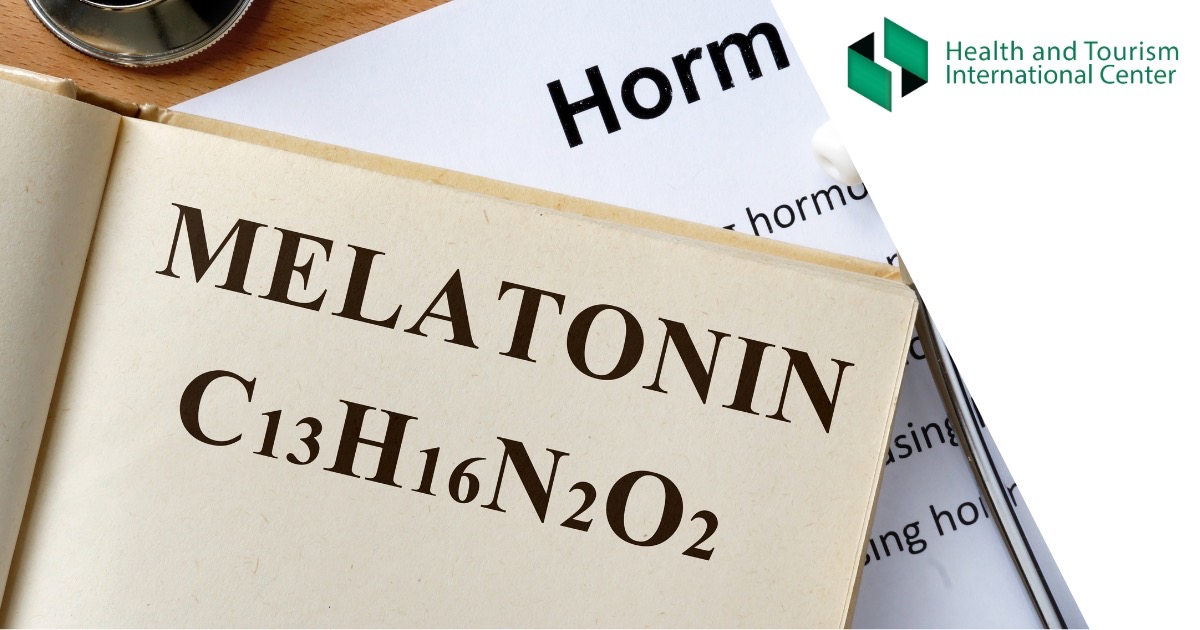
What is melatonin?
Melatonin is a natural hormone produced by the pineal gland in the brain. This hormone plays an important role in helping you fall asleep peacefully.
It is essential for the body's sleep-wake cycle - it is thanks to the functioning of melatonin that you feel tired at the end of the day and wake up rested in the morning.
Melatonin levels increase dramatically in the dark and decrease in daylight. In other words, during sleep and at night, you carry a large amount of melatonin, and during the daytime this hormone is in the blood in small doses. The longer the night, the more melatonin is secreted. This is why many people go to bed much earlier in the winter (as you know, during this season the sun shines less and it is darker).
For your information, women usually have much higher doses of melatonin than men.
Natural melatonin levels vary depending on age. Newborns do not produce their own melatonin - they absorb it from the placenta before birth, and after birth, melatonin enters the baby's body with breast milk or formula. Little people begin the melatonin cycle from 3-4 months of age.
Melatonin levels are in excess in children and teenagers until puberty. After puberty, melatonin levels steadily decrease. The level is stable until the age of 40. In itself, melatonin levels decrease in parallel with the natural aging process.
Melatonin levels are determined by appropriate analysis - patients undergo laboratory research after the onset of complaints.
https://my.clevelandclinic.org/health/articles/23411-melatonin
