
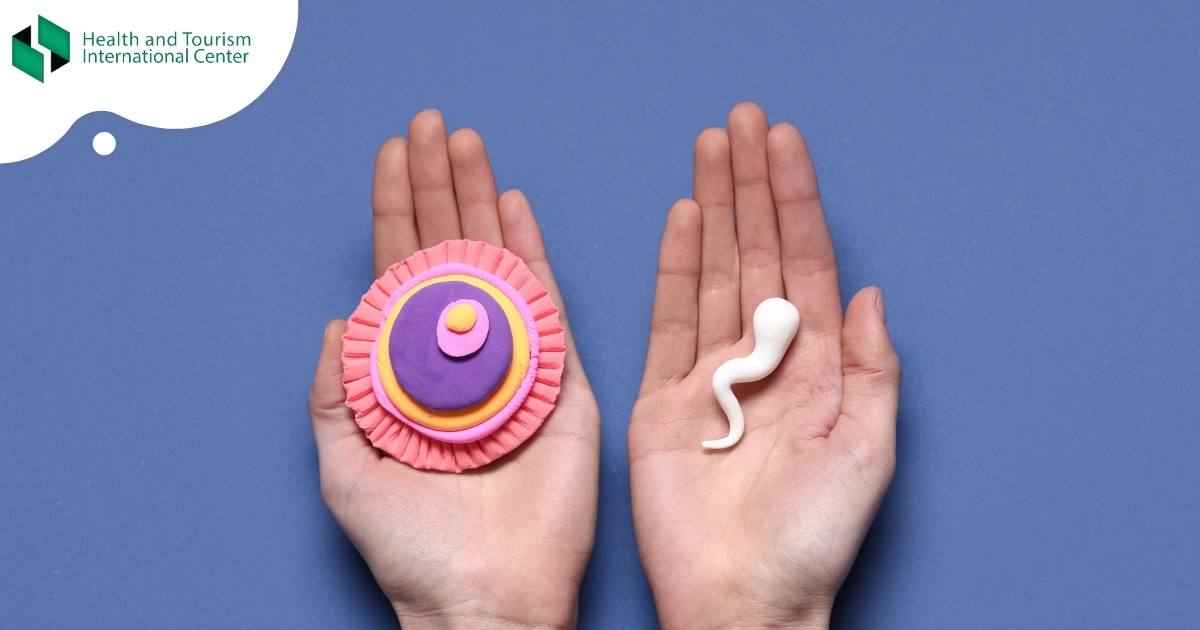
What is intrauterine insemination?
Intrauterine insemination is an effective, simple and painless method, which involves artificially introducing sperm directly into the uterus during ovulation.
During this course of fertility treatment, healthy sperm get much closer to the ovaries.
Intrauterine insemination is prescribed in cases of infertility or when a woman wants to get pregnant without a partner (i.e. uses a sperm donor).
Insemination is provided in the following conditions:
- Problems with the cervical mucus;
- Certain problems in the uterus;
- Low sperm activity, small number;
- Erectile dysfunction;
- Ejaculation problems;
- Allergy to sperm;
- Unexplained infertility.
The effectiveness of intrauterine insemination depends on the cause of infertility.
Good results are achieved in women who are diagnosed with unexplained infertility or have problems with cervical mucus.
Insemination gives a positive effect if the man has problems with ejaculation.
Intrauterine insemination does not work properly if there is a history of fallopian tube disorders, endometriosis, severe sperm deficiency - in such clinical cases, in vitro fertilization is prescribed.
Source:
https://my.clevelandclinic.org/health/treatments/22456-iui-intrauterine-insemination
