
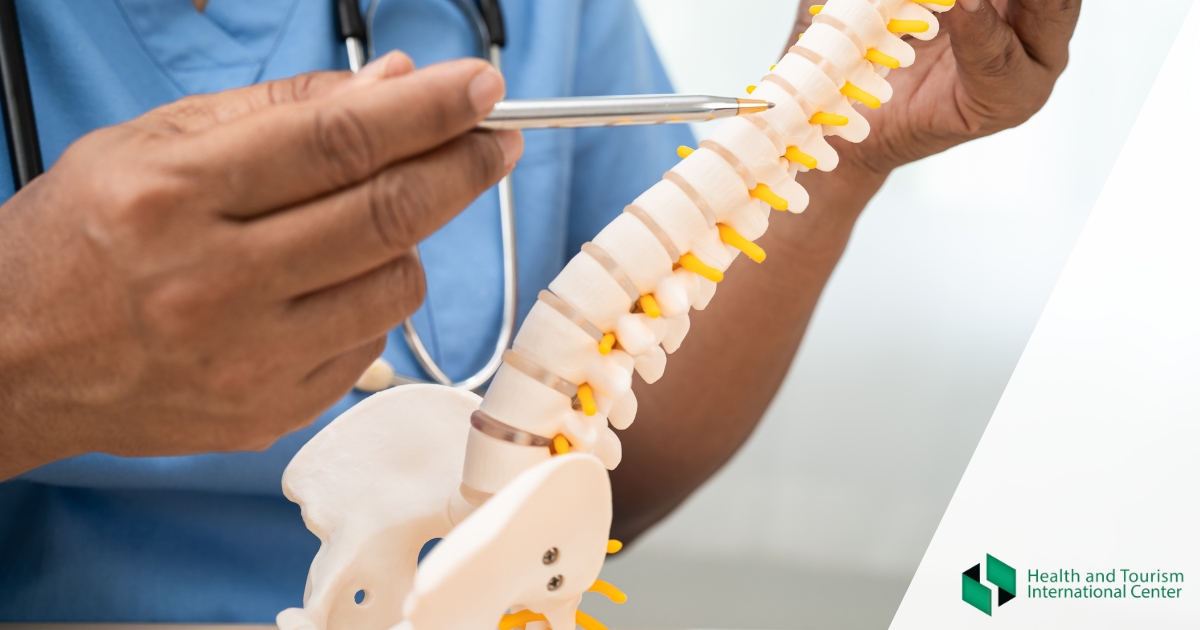
Spinal stenosis is a narrowing of the spinal canal, which causes pressure on the nerves passing through the spine.
As a rule, spinal stenosis develops in the lower back and neck.
In some clinical cases, the pathological process is asymptomatic, although sometimes the patient complains of discomfort such as: tingling, muscle weakness, pain, numbness. As the disease progresses, the symptoms become more severe.
Neurosurgeons confirm that the majority of patients with this diagnosis are over 50 years old.
Spinal stenosis is most often caused by degenerative changes - contributing risk factors are trauma, scoliosis, a genetic disease that affects the bone.
To make a diagnosis, the doctor will study the patient's medical history and get acquainted with the complaints.
The following types of computer studies are prescribed:
- X-ray;
- Magnetic resonance imaging;
- Computed tomography.
The method of treatment of spinal stenosis depends on the severity of the disease.
Sometimes drug therapy is prescribed (anti-inflammatory, antidepressants, seizure prevention, etc.).
Physiotherapy is useful - a special exercise program aimed at improving balance, strengthening the spine.
Steroid medication is administered to relieve pain and swelling in the area of the nerve root.
In some clinical cases, surgery is prescribed.
Source:
https://www.mayoclinic.org/diseases-conditions/spinal-stenosis/diagnosis-treatment/drc-20352966
